Call our office: (855) 844 HUMUS
Let's take a tour of humus compost production.
Understanding the value of Humus Compost
What is Humus Compost?
Humus Compost is more than just compost. Using a carefully managed process, we transform organic materials into stable, carbon-rich compounds that help build healthier soils. These long-chain carbon molecules support nutrient exchange, feed beneficial microorganisms, encourage deeper root growth, and improve soil structure, creating a stronger foundation for plant growth and long-term soil productivity.
Humus and Minerals
Humus plays a critical role in mineral organization and nutrient management within the soil. With an exceptional ability to attract and hold minerals, humus forms stable colloidal structures that serve as a reservoir for essential plant nutrients. This powerful mineral-holding capacity helps reduce the nutrient tie-up and inefficiencies often associated with conventional fertilizer programs.
For maximum effectiveness, we recommend applying humus pre-blended with minerals. By binding nutrients to the humus colloid, minerals are protected from loss while remaining readily available to plants.
Although humus has a strong affinity for minerals, it is also highly dynamic. As plant roots grow and interact with the surrounding soil biology, humus continually releases and exchanges nutrients in response to plant demand. This natural nutrient cycling process supports healthy root development, efficient nutrient uptake, and sustained plant growth throughout the season.
Environmental benefits of Humus Compost
Transforming organic waste into humus delivers significant environmental benefits. In many conventional composting systems, substantial losses occur during the decomposition process. In fact, a large percentage of the components that once made up living plants are released into the atmosphere as lightweight particles and gases, representing a loss of valuable organic matter.
Our process is specifically designed to capture and retain these valuable lighter than air components throughout the composting cycle. By creating the right biological and environmental conditions within our compost windrows, we preserve more of the material's carbon and convert it into stable humus.
This approach offers multiple benefits. By retaining more carbon in the finished product, we reduce carbon losses to the atmosphere and lower the overall carbon footprint of the composting process. Additionally, the same management practices that help capture carbon also minimize odor generation, resulting in a cleaner, more environmentally friendly composting facility.
The result is a high-quality humus product that not only improves soil health but also supports a more sustainable approach to organic waste management and carbon stewardship.
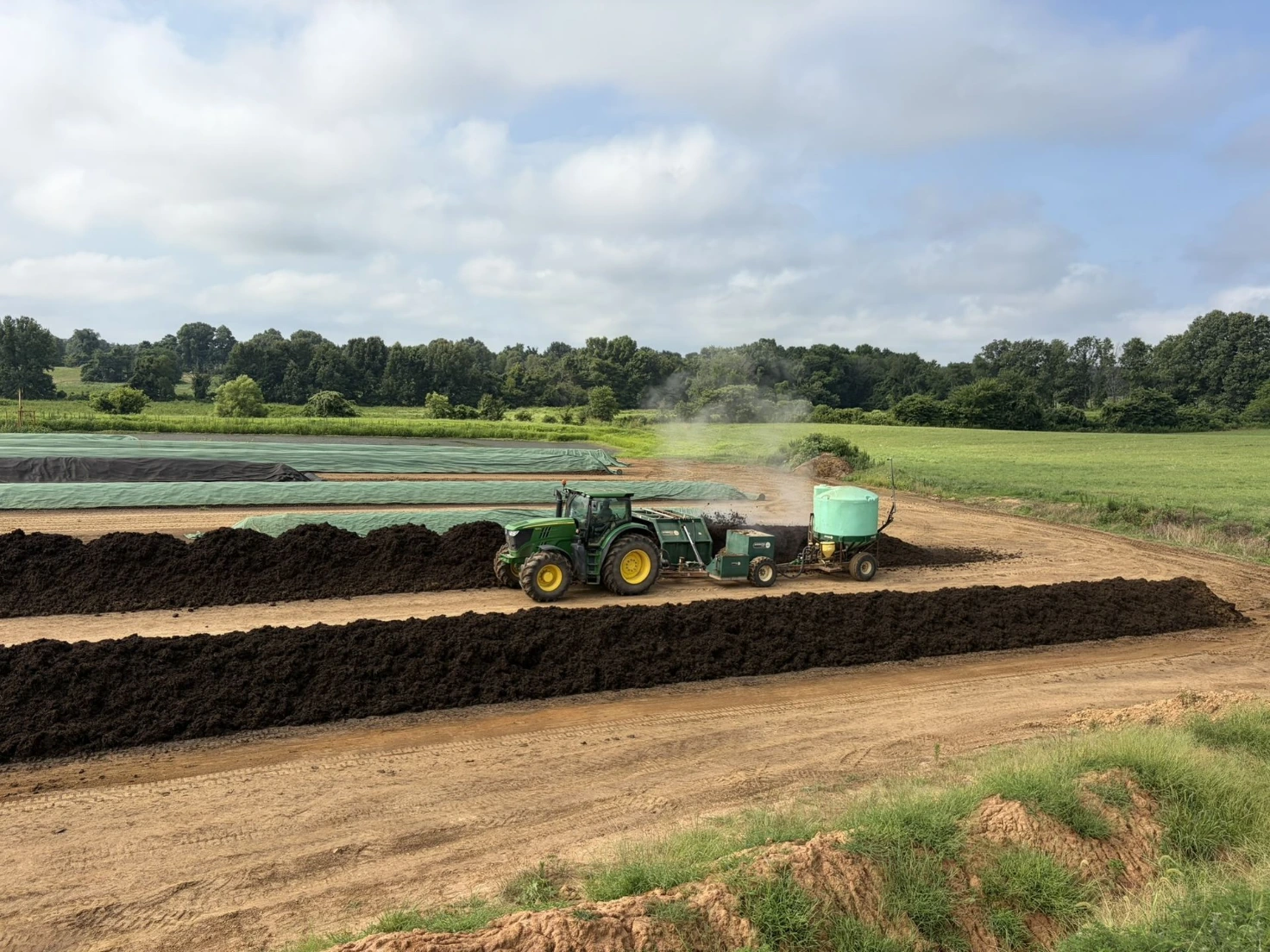
Key Points in Humus Production
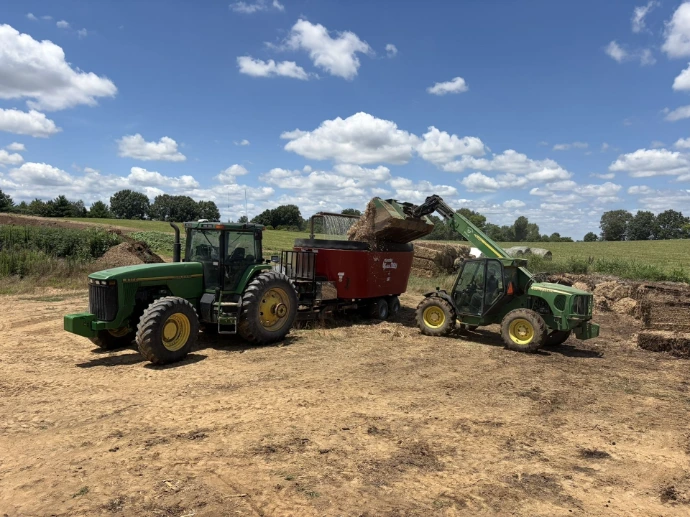
Synchronizing Carbonaceous Materials
A critical component of the humus-building process is synchronizing carbon-rich materials so they break down in a uniform and controlled manner. Effective decomposition begins when the proper balance of moisture, pressure, and carbon-to-nitrogen (C:N) ratio is achieved. When these conditions are aligned, microbial activity can efficiently transform organic matter into stable humus.
To prepare our carbonaceous materials, we thoroughly hydrate them before forming them into windrows. This careful preparation creates an ideal environment for biological activity while establishing the conditions needed to capture valuable carbon compounds throughout the decomposition process.
As organic matter breaks down, many lightweight carbon compounds can be lost to the atmosphere. Our process is designed to retain these materials within the composting system, allowing them to be incorporated into the developing humus. This not only improves the quality and stability of the finished product but also helps maximize carbon retention, supporting both soil health and environmental stewardship.
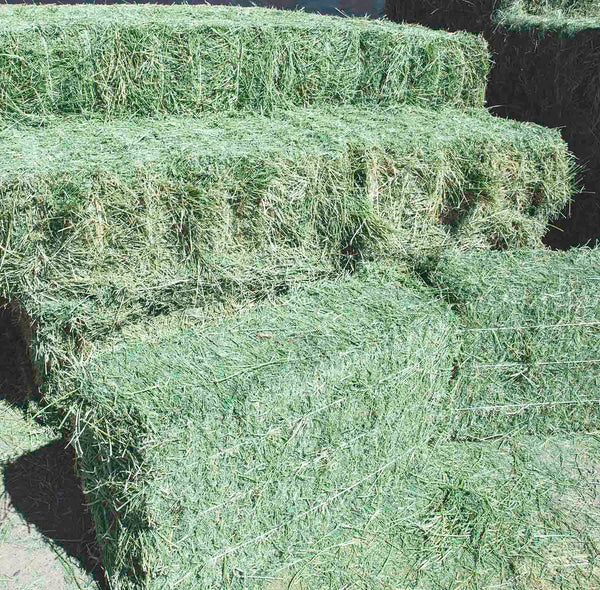
Adding Nitrogenous Materials
Nitrogen is essential to the humus-building process. We use carefully selected nitrogen-rich inputs, including organic chicken manure, chemical-free alfalfa, grass hay, and green forages, to support the microbial activity that transforms raw organic matter into stable humus.
For food production systems, we also offer Extract Grade Humus, which is produced without manure. This extra precaution reduces concern around manure-associated pathogens and provides a cleaner option for growers who want a plant-based humus source for sensitive applications.
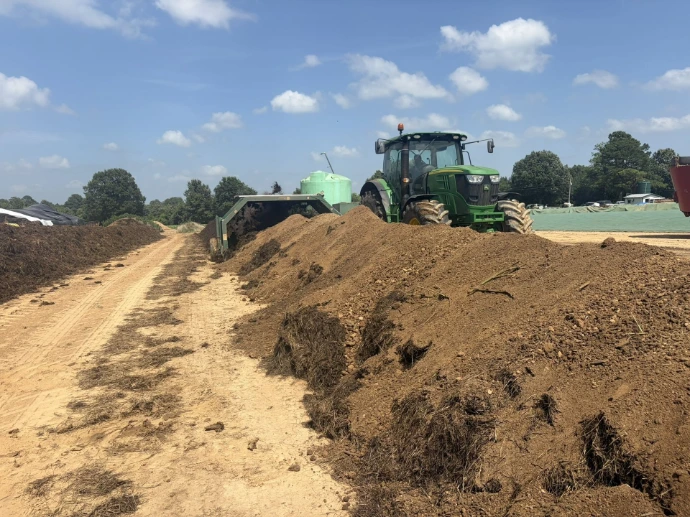
Incorporating Clay
Clay is a valuable part of the humus production process. Its negatively charged exchange sites help retain positively charged nutrients such as calcium, magnesium, potassium, and ammonium, holding them in reserve for the humus forming microbes. Clay particles also provide surfaces where organic compounds can bind, helping stabilize organic matter and supporting the formation of clay–humus complexes. In addition, colloidal clays encourage the formation of humus polymers.

Monitoring Windrows
The humus building process is guided by regular monitoring of temperature, carbon dioxide, moisture, and aeration conditions. These four indicators help determine when to turn, water, or otherwise adjust the windrow so the composting biology stays active, aerobic, and moving toward stable humus.
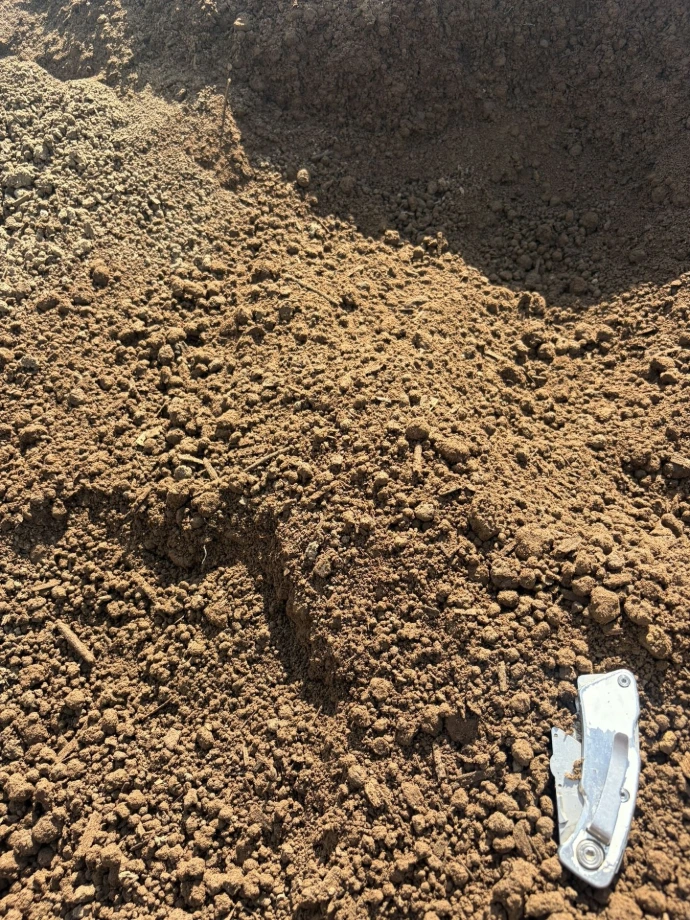
Humus Formation
The first three to four weeks are focused on breakdown. During this phase, the raw materials in the windrow are decomposed and prepared for the next stage.
Once the windrow temperature drops to about 130°F, the humus-building phase begins. We then inoculate the windrow with humus-forming microbes and continue to monitor temperature, carbon dioxide, and moisture. At this point, the windrow is turned less frequently and more gently. This gives the biology time to build stable humus structures.
During this phase, humus-forming microbes use the nitrogen compounds, organic precursors, and other breakdown products preserved during the first stage. These materials are essential to humification, where smaller molecules are biologically transformed and polymerized into stable humic substances. If these compounds are lost before the humus-building stage, the microbial community has less material to work with, reducing the effectiveness of the humus production process.