Humus and Microbial Activity in Compost
- Humus compost contains a vast consortium of beneficial microorganisms.
- These microbes do not need to operate at full activity all the time. Humus helps sustain and nourish them while they remain dormant or less active until conditions require their work.
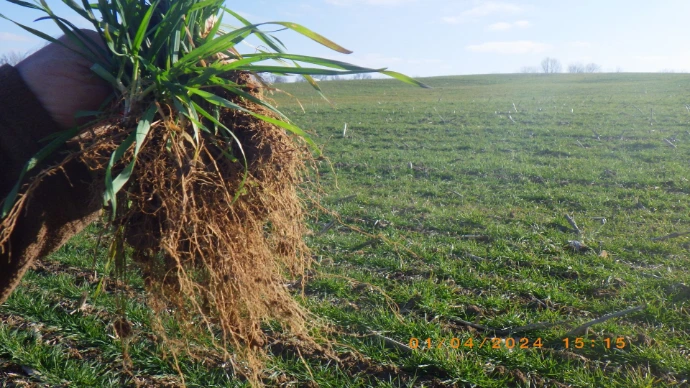
- Humus serves as a communication bridge between plant roots and soil microbes. This connection helps microbes provide nutrients and other benefits to plants. The use of highly soluble fertilizers can weaken this natural plant-microbe relationship.
- Humus supports microbial reproduction and population growth. Many soil microbes reproduce by cell division, with populations capable of doubling every 20 minutes to 2 hours under favorable conditions. As this process continues, microbial populations can increase rapidly.
- By supplying energy, habitat, and nutrients, humus plays a critical role in maintaining and expanding healthy microbial communities, which in turn support plant health and soil fertility.
Key takeaway: Humus is more than decomposed organic matter. It acts as a reservoir of nutrients, a habitat for microorganisms, and a vital link that strengthens the relationship between soil microbes and plant roots.